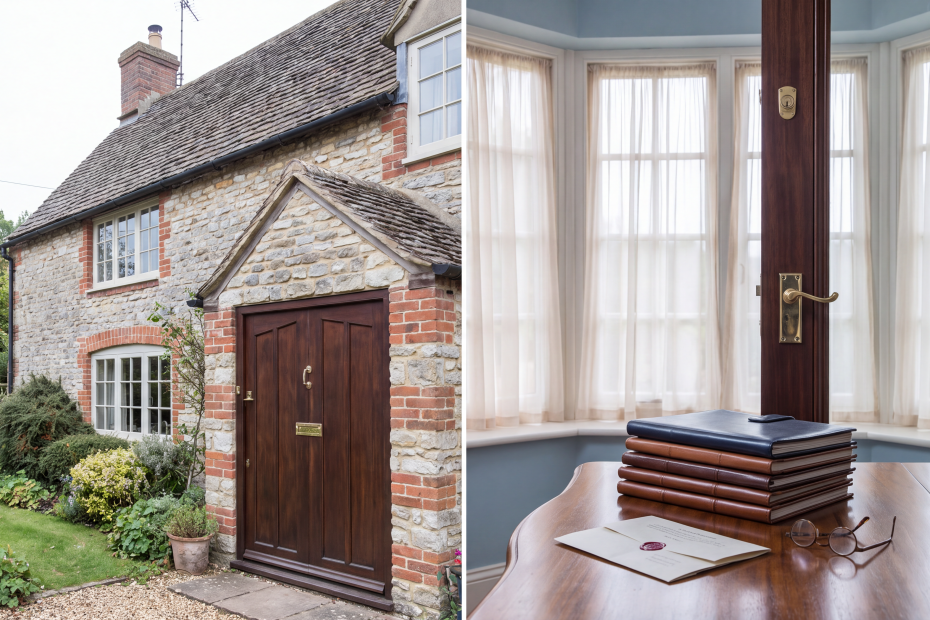
Your home may be one of your most valuable assets. Understanding property fraud and taking a few practical steps can help reduce the risk of criminals trying to sell or mortgage it without your permission.
What is property fraud?
Property fraud happens when someone uses false information or stolen identities to try to take control of a property or obtain money against it without the owner’s knowledge.
It can affect both residential and commercial properties. In some cases, criminals impersonate the registered owner and attempt to sell a property or take out a mortgage against it.
Certain circumstances can make a property more vulnerable to this type of fraud. These include:
The property is not registered with HM Land Registry.
The property has no mortgage.
The property is rented out to tenants.
The property is empty or unoccupied.
The owner’s identity has been stolen.
The owner lives outside the UK.
These factors do not mean that fraud will happen. However, they may make it easier for criminals to target a property or attempt to impersonate its owner.
Why can property owners be at risk?
HM Land Registry maintains records of property ownership in England and Wales. Much of the information held on the property register can be accessed by members of the public.
This openness helps buyers, sellers, solicitors and other interested parties check property ownership. However, criminals may also use publicly available information to identify property owners and gather details about a property.
Depending on the records available, this information may include the registered owner’s name, the property’s address, the owner’s correspondence address and details of a registered mortgage.
Criminals may use this information alongside stolen personal details or forged documents to try to impersonate an owner.
This is why it is important to understand the protections available through HM Land Registry.
Registering your property with HM Land Registry
If your property is not registered, voluntary registration is an important first step.
Registration creates an official record of ownership and provides a clear starting point for future transactions. It can also make it easier to sell, transfer or gift your property, and help your beneficiaries deal with it after your death.
Once your property is registered, you can also make use of services and protections designed to help identify suspicious activity and reduce the risk of unauthorised changes to the title.
If you are unsure whether your property is registered, you can check with HM Land Registry.
Anti-fraud restrictions: an additional layer of protection
One of the ways HM Land Registry helps protect property owners is through restrictions that can make it harder for someone to sell or mortgage a property fraudulently.
For eligible owners, an anti-fraud restriction can require a conveyancer to certify that they have taken appropriate steps to verify the identity of the person signing the relevant documents.
This creates an additional safeguard because an application to change the register cannot simply proceed without meeting the restriction’s requirements.
It is important to understand that a restriction is not an absolute guarantee against fraud. However, it can make fraudulent transactions more difficult and provide an extra layer of protection.
The right restriction will depend on your circumstances. A solicitor or conveyancer can explain which option is suitable for your property.
Sign up for the HM Land Registry Property Alert service
Another useful precaution is the free Property Alert service provided by HM Land Registry.
Once you have registered, you can receive email alerts when certain activity takes place involving a property you are monitoring.
For example, you may be notified when an application is received that could relate to a sale or mortgage. This gives you an opportunity to investigate anything unexpected and contact HM Land Registry if you are concerned.
Property Alert does not automatically prevent fraud, and you may still need to take action if you receive an alert. However, it can help you spot suspicious activity sooner.
You can monitor up to ten properties through the service, which may be useful if you own more than one property.
Keep your property details up to date
It is also important to make sure the information held by HM Land Registry is accurate.
In particular, check that your name and correspondence address are correct. If you move home, change your name or get married, you may need to update the relevant details.
This matters because official correspondence about your property may be sent to the address recorded on the register. If those details are out of date, you could miss important information.
If you own a property that is rented out, empty or located in the UK while you live abroad, it is particularly sensible to review the protections available.
Take steps to protect your property
Property fraud can be distressing and financially damaging, but there are practical steps you can take to reduce the risk.
Making sure your property is registered, considering an appropriate restriction, signing up for Property Alert and keeping your details accurate can all help strengthen your protection.
At Viva Planning, we believe property owners should understand how to protect their assets and make informed decisions about their future.
If you are concerned about property fraud or want to understand the options available to protect your home, seek advice from a suitably qualified property solicitor or conveyancer.
Taking action now can help give you greater confidence that your property is being properly looked after.